ohip vs healthcare plan
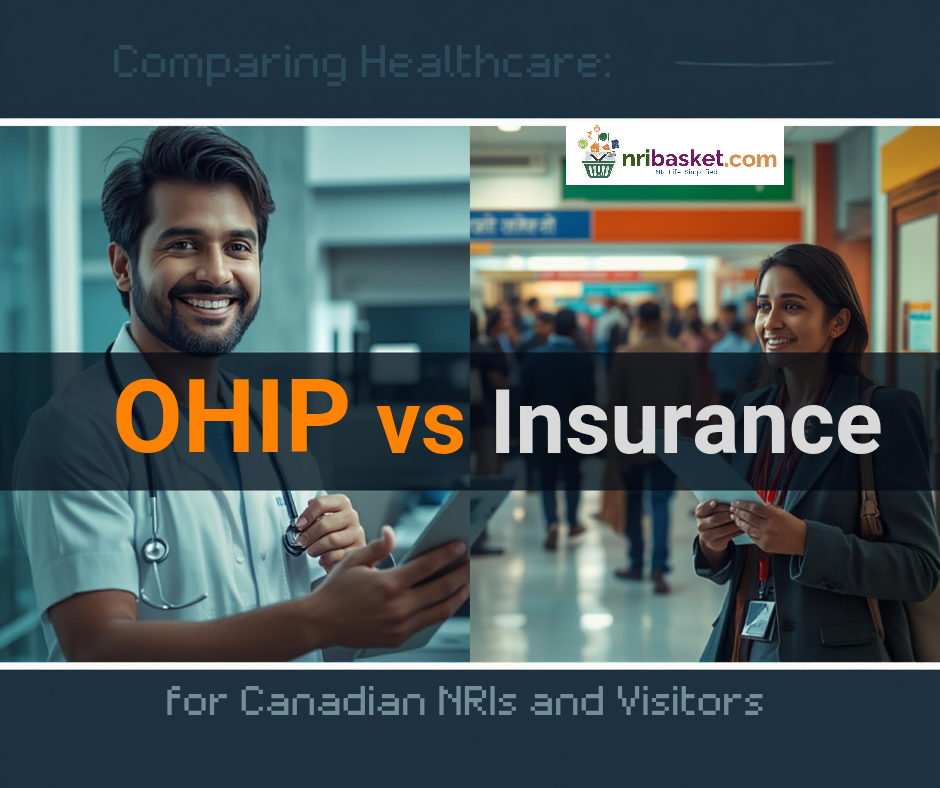
Comparing Healthcare: OHIP vs Indian Health Insurance for Canadian NRIs and Visitors
As a new immigrant from India to Canada, understanding the healthcare system is crucial. The Ontario Health Insurance Plan (OHIP) provides coverage for residents, while Indian health insurance can be beneficial for visitors. This blog post will compare OHIP and Indian health insurance, addressing common questions that new Indian immigrants and visitors may have.
Frequently Asked Questions (FAQs)
1. What is OHIP?
Short Answer: OHIP is Ontario’s government-run health insurance plan that covers medically necessary services for residents.
Long Answer: The Ontario Health Insurance Plan (OHIP) is a provincial health insurance program that provides coverage for a wide range of medically necessary services, including hospital visits, doctor consultations, and certain medical procedures. To be eligible for OHIP, you must be a resident of Ontario and meet specific criteria, such as being a Canadian citizen or a permanent resident.
Long Answer: The Ontario Health Insurance Plan (OHIP) is a provincial health insurance program that provides coverage for a wide range of medically necessary services, including hospital visits, doctor consultations, and certain medical procedures. To be eligible for OHIP, you must be a resident of Ontario and meet specific criteria, such as being a Canadian citizen or a permanent resident.
2. Who is eligible for OHIP coverage?
Short Answer: Canadian citizens, permanent residents, and certain temporary residents are eligible for OHIP.
Long Answer: To qualify for OHIP, you must be a resident of Ontario and meet specific criteria. This includes being a Canadian citizen, a permanent resident, or a temporary resident with a valid work or study permit. New immigrants must also establish residency in Ontario and may have a waiting period before coverage begins.
Long Answer: To qualify for OHIP, you must be a resident of Ontario and meet specific criteria. This includes being a Canadian citizen, a permanent resident, or a temporary resident with a valid work or study permit. New immigrants must also establish residency in Ontario and may have a waiting period before coverage begins.
3. How do new Indian immigrants apply for OHIP?
Short Answer: New immigrants can apply for OHIP online or in person at a ServiceOntario center.
Long Answer: New Indian immigrants can apply for OHIP by visiting a ServiceOntario center or applying online. You will need to provide proof of identity, residency, and immigration status. It’s essential to have all necessary documents ready, including your immigration papers, proof of residency, and identification.
Long Answer: New Indian immigrants can apply for OHIP by visiting a ServiceOntario center or applying online. You will need to provide proof of identity, residency, and immigration status. It’s essential to have all necessary documents ready, including your immigration papers, proof of residency, and identification.
4. What services are covered under OHIP?
Short Answer: OHIP covers medically necessary services, including hospital visits, doctor consultations, and some surgeries.
Long Answer: OHIP covers a wide range of medically necessary services, including visits to family doctors, specialists, hospital stays, and certain surgical procedures. However, it does not cover services like dental care, vision care, or prescription medications unless they are provided in a hospital setting.
Long Answer: OHIP covers a wide range of medically necessary services, including visits to family doctors, specialists, hospital stays, and certain surgical procedures. However, it does not cover services like dental care, vision care, or prescription medications unless they are provided in a hospital setting.
5. Is there a waiting period for OHIP coverage?
Short Answer: Yes, new residents may face a waiting period of up to three months.
Long Answer: New immigrants to Ontario may experience a waiting period of up to three months before their OHIP coverage begins. During this time, it is advisable to have private health insurance or travel insurance to cover any medical expenses that may arise.
Long Answer: New immigrants to Ontario may experience a waiting period of up to three months before their OHIP coverage begins. During this time, it is advisable to have private health insurance or travel insurance to cover any medical expenses that may arise.
6. What is Indian health insurance?
Short Answer: Indian health insurance provides coverage for medical expenses incurred in India.
Long Answer: Indian health insurance is designed for individuals residing in India or visiting from abroad. It covers a range of medical expenses, including hospitalization, outpatient treatments, and preventive care. Policies can vary widely in terms of coverage, limits, and exclusions, so it’s essential to choose a plan that meets your needs.
Long Answer: Indian health insurance is designed for individuals residing in India or visiting from abroad. It covers a range of medical expenses, including hospitalization, outpatient treatments, and preventive care. Policies can vary widely in terms of coverage, limits, and exclusions, so it’s essential to choose a plan that meets your needs.
7. Who should consider Indian health insurance?
Short Answer: Indian health insurance is ideal for Indian citizens living in India or visiting from abroad.
Long Answer: Indian health insurance is particularly beneficial for Indian citizens who reside in India or for NRIs visiting India. It provides financial protection against unexpected medical expenses, ensuring access to quality healthcare without incurring significant out-of-pocket costs.
Long Answer: Indian health insurance is particularly beneficial for Indian citizens who reside in India or for NRIs visiting India. It provides financial protection against unexpected medical expenses, ensuring access to quality healthcare without incurring significant out-of-pocket costs.
8. What are the benefits of Indian health insurance for NRIs?
Short Answer: Indian health insurance offers coverage for medical expenses in India, making it cost-effective for NRIs.
Long Answer: For NRIs, Indian health insurance can be a cost-effective way to manage healthcare expenses while visiting India. It typically covers hospitalization, outpatient treatments, and preventive care, allowing NRIs to access quality healthcare without worrying about high costs. Additionally, many policies offer cashless hospitalization, simplifying the claims process.
Long Answer: For NRIs, Indian health insurance can be a cost-effective way to manage healthcare expenses while visiting India. It typically covers hospitalization, outpatient treatments, and preventive care, allowing NRIs to access quality healthcare without worrying about high costs. Additionally, many policies offer cashless hospitalization, simplifying the claims process.
9. How does travel insurance work for visitors to Canada?
Short Answer: Travel insurance provides coverage for medical expenses incurred while visiting Canada.
Long Answer: Travel insurance is essential for visitors to Canada, as it covers unexpected medical expenses, trip cancellations, and other travel-related issues. It is particularly important for visitors who are not eligible for OHIP, as healthcare costs in Canada can be high. Travel insurance policies vary, so it’s crucial to read the terms and conditions carefully.
Long Answer: Travel insurance is essential for visitors to Canada, as it covers unexpected medical expenses, trip cancellations, and other travel-related issues. It is particularly important for visitors who are not eligible for OHIP, as healthcare costs in Canada can be high. Travel insurance policies vary, so it’s crucial to read the terms and conditions carefully.
10. What should visitors to Canada look for in travel insurance?
Short Answer: Visitors should look for comprehensive coverage, including medical expenses, trip cancellations, and emergency services.
Long Answer: When selecting travel insurance, visitors to Canada should ensure that the policy includes comprehensive medical coverage, including hospitalization, outpatient care, and emergency services. Additionally, it should cover trip cancellations, lost luggage, and personal liability. Always check the policy limits and exclusions to ensure adequate protection.
Long Answer: When selecting travel insurance, visitors to Canada should ensure that the policy includes comprehensive medical coverage, including hospitalization, outpatient care, and emergency services. Additionally, it should cover trip cancellations, lost luggage, and personal liability. Always check the policy limits and exclusions to ensure adequate protection.
11. Can Indian health insurance cover medical expenses in Canada?
Short Answer: Generally, Indian health insurance does not cover medical expenses incurred in Canada.
Long Answer: Most Indian health insurance policies are designed to cover medical expenses within India and typically do not extend coverage to international locations, including Canada. Therefore, NRIs and visitors should consider purchasing separate travel insurance to cover any medical expenses incurred while in Canada.
Long Answer: Most Indian health insurance policies are designed to cover medical expenses within India and typically do not extend coverage to international locations, including Canada. Therefore, NRIs and visitors should consider purchasing separate travel insurance to cover any medical expenses incurred while in Canada.
12. How do I choose between OHIP and Indian health insurance?
Short Answer: Choose OHIP if you are a resident of Ontario; choose Indian health insurance if you are visiting India.
Long Answer: If you are a resident of Ontario and eligible for OHIP, it is advisable to enroll in the program for comprehensive healthcare coverage. However, if you are visiting India or are an NRI, Indian health insurance is more suitable as it provides coverage for medical expenses incurred in India. Assess your residency status and healthcare needs before making a decision.
Long Answer: If you are a resident of Ontario and eligible for OHIP, it is advisable to enroll in the program for comprehensive healthcare coverage. However, if you are visiting India or are an NRI, Indian health insurance is more suitable as it provides coverage for medical expenses incurred in India. Assess your residency status and healthcare needs before making a decision.
13. What are the costs associated with OHIP?
Short Answer: OHIP is funded through taxes; there are no direct premiums for residents.
Long Answer: OHIP is funded through provincial taxes, and residents do not pay direct premiums for coverage. However, there may be costs associated with certain services not covered by OHIP, such as dental care, vision care, and prescription medications. It’s essential to budget for these potential out-of-pocket expenses.
Long Answer: OHIP is funded through provincial taxes, and residents do not pay direct premiums for coverage. However, there may be costs associated with certain services not covered by OHIP, such as dental care, vision care, and prescription medications. It’s essential to budget for these potential out-of-pocket expenses.
14. Are there any exclusions in OHIP coverage?
Short Answer: Yes, OHIP does not cover certain services like dental care and vision care.
Long Answer: While OHIP provides comprehensive coverage for medically necessary services, there are exclusions. Services not covered include routine dental care, vision care (except for certain medical conditions), and prescription medications outside of a hospital setting. Residents should consider supplemental insurance for these services.
Long Answer: While OHIP provides comprehensive coverage for medically necessary services, there are exclusions. Services not covered include routine dental care, vision care (except for certain medical conditions), and prescription medications outside of a hospital setting. Residents should consider supplemental insurance for these services.
15. How do I file a claim with Indian health insurance?
Short Answer: Claims can typically be filed online or through a claims form submitted to the insurance provider.
Long Answer: To file a claim with Indian health insurance, policyholders usually need to complete a claims form and submit it along with relevant documents, such as medical bills and discharge summaries. Many insurance providers also offer online claim submission for convenience. It’s essential to follow the specific claims process outlined in your policy.
Long Answer: To file a claim with Indian health insurance, policyholders usually need to complete a claims form and submit it along with relevant documents, such as medical bills and discharge summaries. Many insurance providers also offer online claim submission for convenience. It’s essential to follow the specific claims process outlined in your policy.